
At OBE Organic, we take pride in catering to a wide range of consumers who have made a commitment to purchase high-quality meat. Our diverse clientele includes not only traditional meat lovers but also individuals from various dietary backgrounds, each with unique...
Project Brief: Understanding Children’s Roles in Australian Agriculture
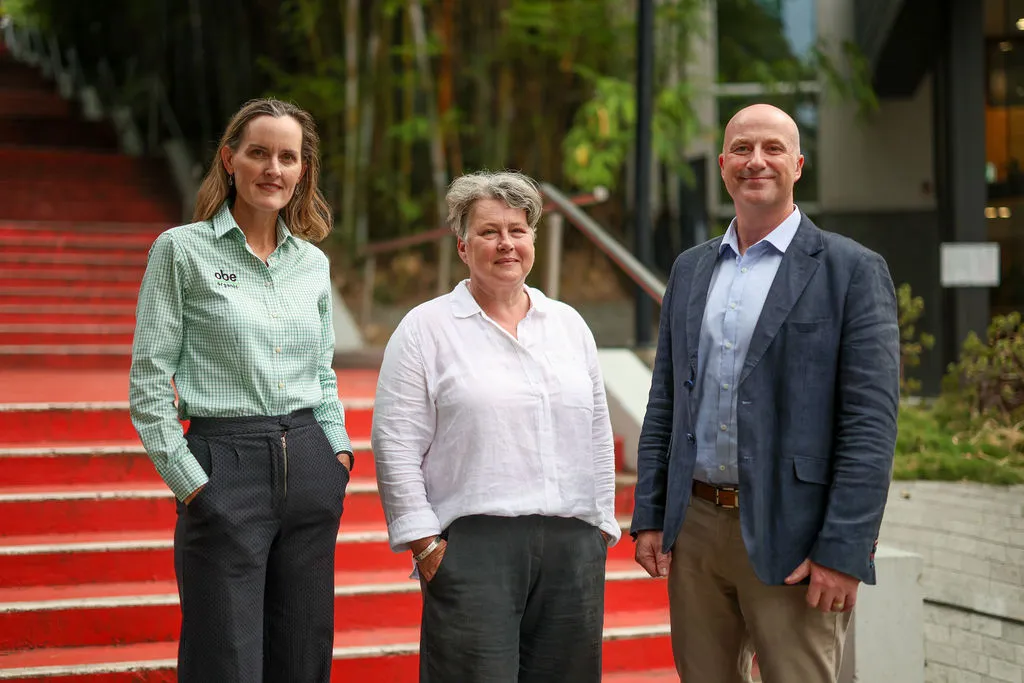
Project Brief: Understanding Children’s Roles in Australian Agriculture
We’re inviting people across Australian agriculture to help shape vital research into the experiences of young people growing up and working in Agriculture, in Australia. Your participation will ensure the realities of rural life are accurately reflected and that future safeguarding frameworks truly support our communities. If you or someone you know can share their perspective, we’d love to hear from you. Together, we can strengthen the safety and wellbeing of the next generation.
A research project by The University of Notre Dame Australia and supported by OBE Organic Australian Beef & Project Paradigm
1. Purpose of the Project
This national research project aims to identify where and how children participate in agricultural work in Australia, and to better understand the risks of exploitation, unsafe labour practices, or gaps in current safeguarding systems.
The study responds to evidence that child involvement in agriculture is often overlooked, hidden, or underreported, particularly on family farms, in remote communities, and among migrant families.
The ultimate goal is to improve child safeguarding practices across the agricultural supply chain, including beef production, meat processing, and associated rural industries.
2. Scope of the Project
The project examines:
- Children’s roles in agricultural settings (e.g., family farms, station life, seasonal labour environments, apprenticeships).
- Current laws, policies, and community practices relevant to child labour in agriculture.
- Risk factors that may expose children to exploitation, unsafe work, or interrupted schooling.
- Effectiveness of safeguard systems for children living or working on farms.
- Experiences of young people aged 14-16 years living and/or working in agriculture.
The study combines interviews, policy analysis, and community engagement across rural and remote Australia.
3. Who We Are Looking to Interview
The project is seeking:
- Parents, guardians, and family members involved in farm operations.
- People with experience supervising young people in agricultural businesses and agricultural environments.
- Industry members who have visibility of children on farms (e.g., producers, contractors, feedlot operators, meat processors, station managers).
- Members of communities where children frequently assist with farm tasks, seasonal work, or informal labour.
Interviews run for 30-60 minutes and occur by phone or via a video call.
4. Definition of “Children” for This Project
For the purposes of this research:
- Primary research focus: Young people aged 14-16 years.
5. Benefits to Participants, Industry & Communities
Participating contributes to:
For individuals and families
- Ensuring children’s experiences are accurately represented in national research.
- Helping identify risks that families may not be aware of, including safety, labour, and wellbeing concerns.
- Receiving a summary of interview findings to check accuracy and ensure their voice is reflected.
For meat industry organisations
- Evidence to strengthen ethical sourcing standards and child protection measures, which stakeholders (including retailers and global supply-chain partners) increasingly expect.
- Insights into safeguarding obligations in environments where children are present-whether as helpers, residents, apprentices, or informal workers.
- Better understanding of community expectations and potential regulatory developments.
- Leadership opportunity for the meat sector to proactively address child safeguarding-before issues emerge.
For rural and remote communities
- Improved support systems for young people working or living in isolated areas.
- Stronger alignment between education, farm responsibilities, and child safety expectations.
- Tools to respond to emerging risks, including online risks, mobility, and changing labour patterns in agriculture.
6. Timeframes
- The research project was launched on 23 February 2026.
- Interviews take 30-60 minutes.
- A summary of overall findings will be emailed to participants within six months of their interview.
7. Why This Matters to the Meat, Livestock & Processing Industries
- Children remain present in many stages of agricultural life, including on farms that supply the meat processing industry.
- Safeguarding standards are rapidly evolving across supply chains.
- The industry has a reputation and ethical responsibility to demonstrate safe and responsible practices on properties and in businesses connected to its products.
- Proactive participation reduces future risk, supports community trust, and aligns with global expectations around responsible labour practices.
8. Who do you contact if you would like to participate?
- If you have any questions about this project, or would like to participate, please contact Megan Revitt 0472 728 752 or megan.revitt@nd.edu.au
- The study has been approved by the Human Research Ethics Committee at The University of Notre Dame Australia (approval number 2025-084).
Share This

Dalene Wray
OBE Organic began in the nineties as the first and only premium meat exporter that was 100% dedicated to the production of organic beef in Australia. Formed by a group of far-sighted pastoral families, we had a vision to support farmers/producers who operate in the pure heart of Australia, while supplying the world’s best organic beef to restaurants & retailers around the world.