
About the Collaboration
For over twenty years, OBE Organic® has been supplying wholesalers and retailers around the world, certified organic beef, sourced from family farmers in the pure heart of Australia. It’s a very distinctive location. There is nowhere like it on the planet. It’s why our beef is said to be ‘Seasoned by Nature®’. We are Australia’s oldest organic beef exporting company, founded in the 1990s by a group of far-sighted outback families dedicated to the production of organic beef.
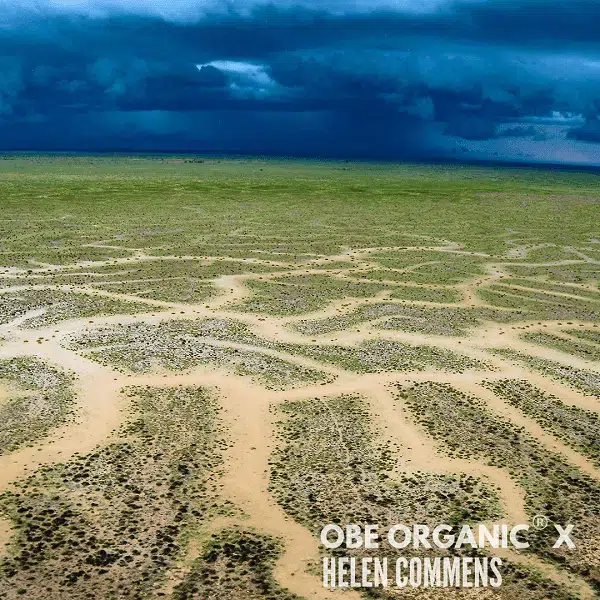
Living in this part of the world, we take many things for granted: dust, searing summer heat and very occasionally, bursts of flooding rain. When the rains come, the few of us lucky enough to call this part of Australia home have the best seat in the house for one of nature’s greatest spectacles: the flooding of the great desert river systems. Our fourth collaboration is a very deliberate partnership with Helen Commens, from Windorah in Western Queensland. Helen’s images capture the transformation of the countryside from a harsh landscape into a thriving ecosystem of grasses and forbs and wildflowers.
Through her lens, we can literally see the floodwaters creeping down the ancient water channels before spilling across the countryside as it bursts into life. When the waters flow, they still go where nature intended; filling waterholes and creating vast inland seas. This attracts birdlife from thousands of kilometres away to breed on wetlands brimming with plant and insect life.
We hope this collaboration brings joy, as the brilliant purples, yellows and reds of the forbs and wildflowers and sand dunes and channels come to life, in your social media feeds.
Banner Photo Credit: Opalheart Media
About Helen Commens
I have lived on Ourdel Station Windorah with my husband James (Dude) for over 20 years. We have a 10 year old son named Charlie. I was a teaching Principal in Windorah for 8 years, before doing supply teaching and working at the local Tourist Information Centre.
I started taking photos with a film SLR camera and loved capturing memories and landscape photos of such a special area of Western Queensland. I enjoy landscape, aerial, animal and livestock photography and am inspired by the rich colours, beautiful golden hour light and amazing patterns in nature, namely the intricate channel patterns created in flood times. I love capturing the beauty and strength yet fragility of the channel country and the amazing response after rain and flooding.
These free flowing rivers and fertile floodplains are like nothing else on Earth. The natural boom and bust of the landscape is what makes our channel country so precious for wildlife and Outback families.
Every flood is unique and every flood is absolutely welcomed. Photographing the floods creates a record for landholders and inspiration and hope during dry times.
Photography has the ability to not only record and capture a moment in time, but also initiate thought and memory. Some photos can stay with you for a moment and others stay with you for a lifetime.
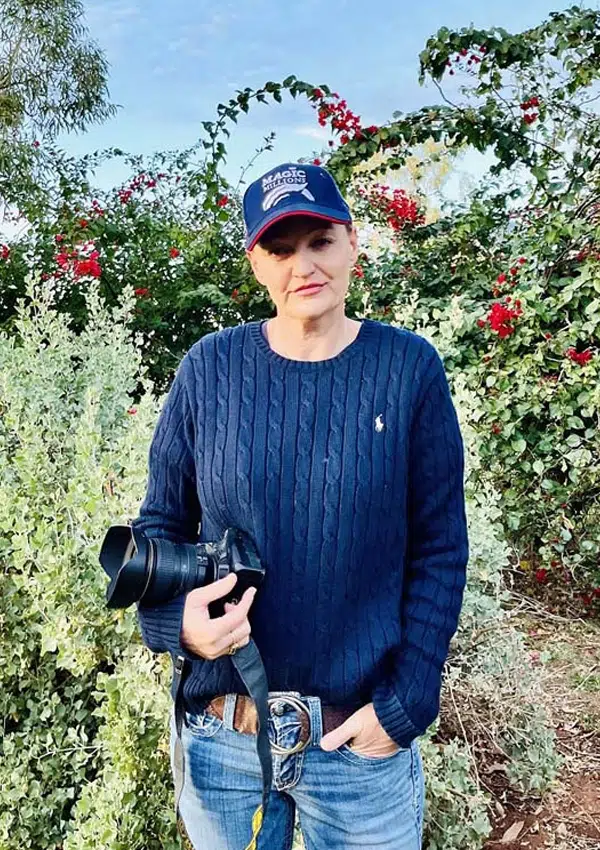
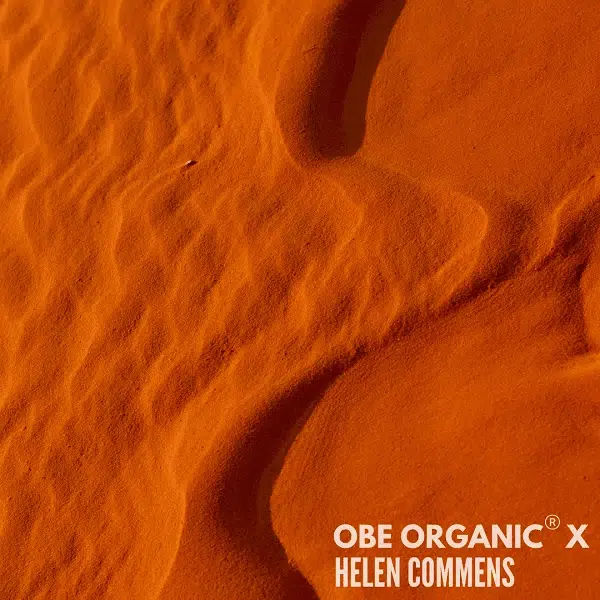
Helen Commens began photographing with a film SLR in Western Queensland and developed a passion for landscapes, animals, and aerial views. Inspired by the region’s golden light, rich colours, and flood-formed patterns, her work captures the beauty, strength, and fragility of the Channel Country.
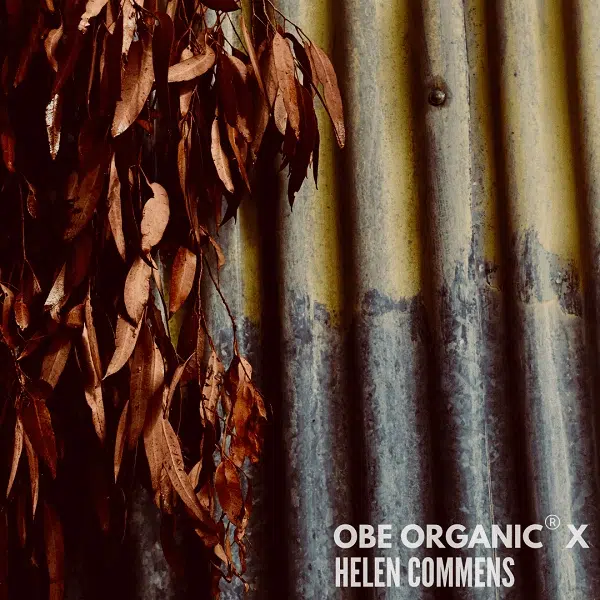
Patented in 1829 by Henry Palmer, corrugated iron quickly became a global building material, even used by Prince Albert at Balmoral. Celebrated for its practicality yet criticised by architects like William Morris, it remains one of the most influential products of the industrial age.
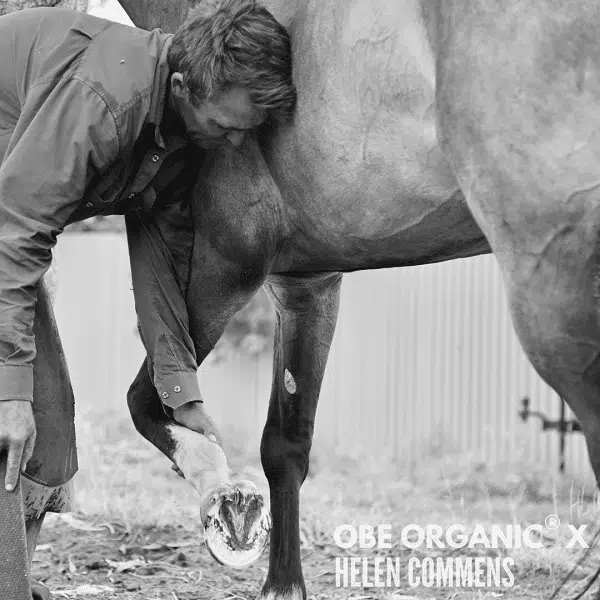
Basic horse shoeing involves trimming the hoof, including the sole and frog, to suit the animal’s needs. Farriers may assist the natural shedding of the frog before fitting a shoe, which comes in a range of sizes, weights, and thicknesses.
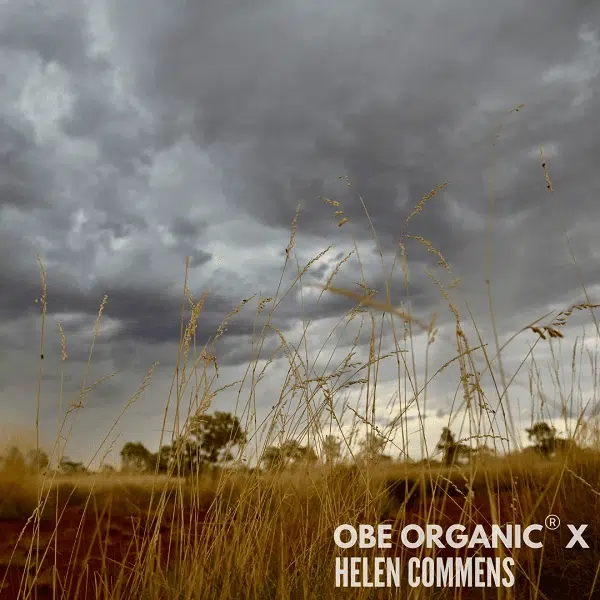
Welcome to spinifex country. In the Channel Country you’ll see rivers, dunes and spinifex all in one drive. When storms arrive, grasses thrive creating more fodder for our livestock and the Channel Country comes alive.
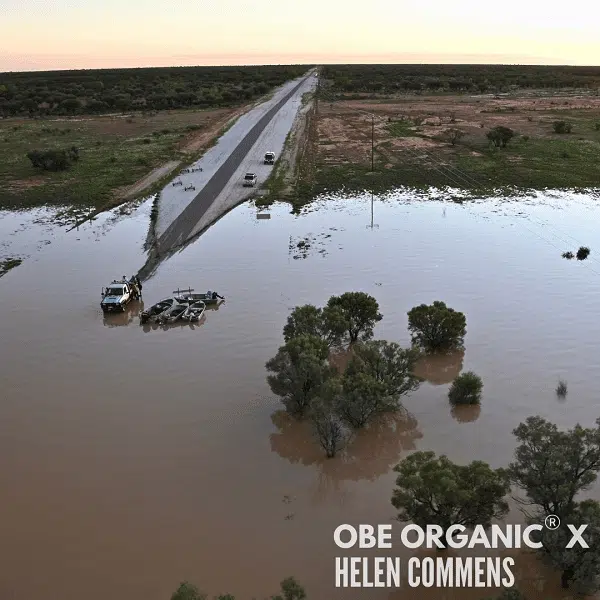
It’s not every day a boat’s your main mode of transport! Water engulfing the Channel Country’s rivers and floodplains every few years means locals need to find another way in and out of town. Water brings life to our country and our towns – it’s only a short time that Windorah is cut off by road.
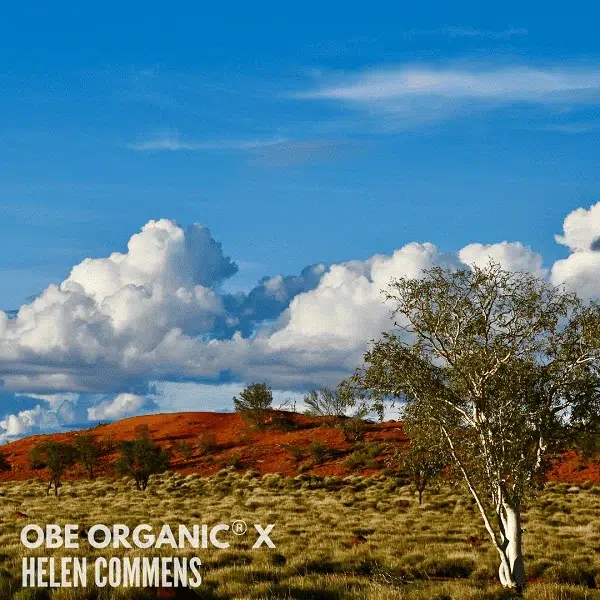
You may be 1,200kms from the golden beaches of Queensland but you won’t miss the sand dunes outside Windorah. The Channel Country is a landscape of stark contrast. From lush floodplains and grasslands to brilliant red desert dunes, every landscape serves a purpose.
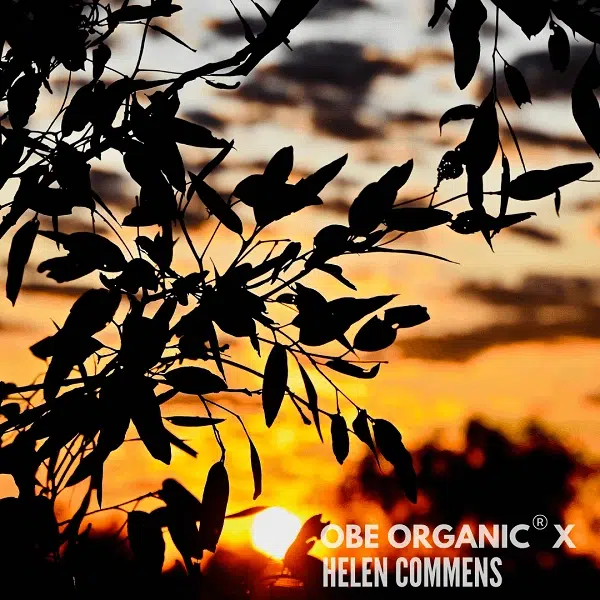
Water brings life to our country and our towns. The Channel Country rivers bring life to Outback Queensland. Natural pastures support Outback families and sustain thousands of native plants and animals found nowhere else on earth.
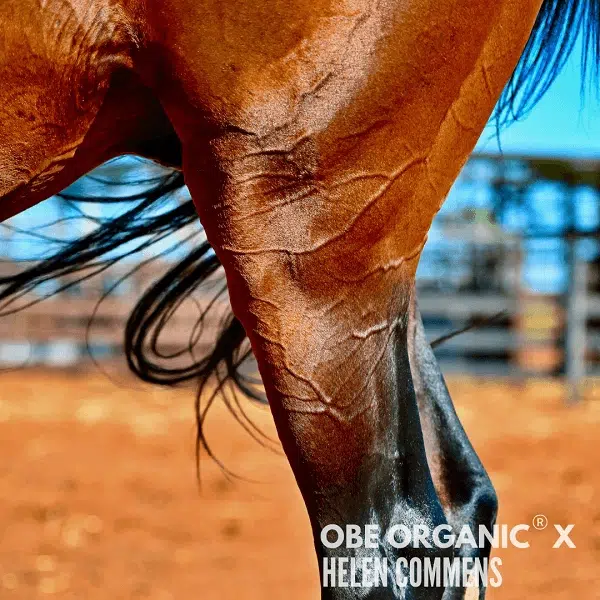
Helen Commens began photographing with a film SLR in Western Queensland, capturing memories and landscapes of the region. She now focuses on landscape, aerial, animal, and livestock photography.
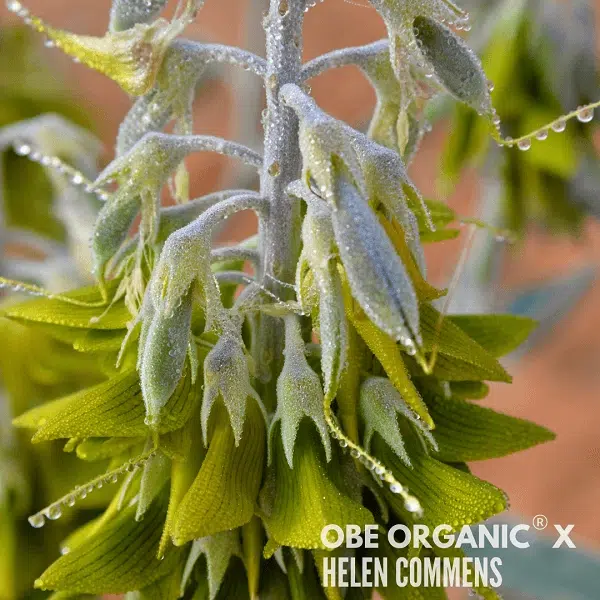
The Channel Country is home to a remarkable diversity of life, including over 65 threatened plants and 55 threatened animals. Among them is the elusive night parrot, along with 29 migratory bird species recorded in the region. Its rivers and floodplains support ecosystems found nowhere else on Earth.
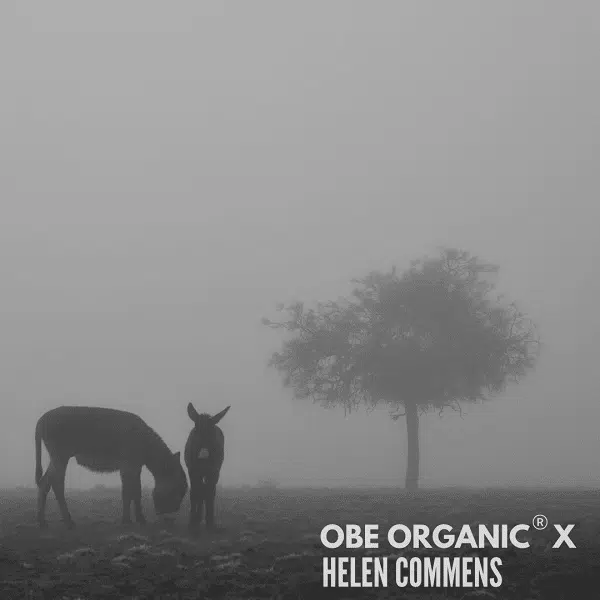
At Gallipoli in 1915, Private John Simpson Kirkpatrick became legendary for rescuing the wounded with the help of a small donkey. Though killed after less than four weeks, his courage and independence made him an enduring symbol of Australian bravery and the ANZAC spirit.
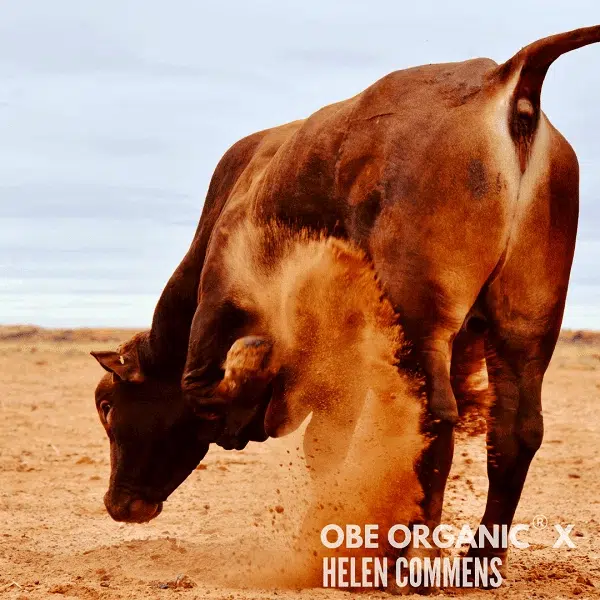
The Channel Country is renowned for the amazing fattening ability in cattle after a flood. Sir Sidney Kidman was a very wise man indeed.
Dalene Wray recalls growing up in Birdsville, where rare bursts of flooding rain transformed the desert rivers. The harsh landscape quickly gave way to thriving ecosystems of grasses, wildflowers, fish, and birdlife, creating one of nature’s greatest spectacles.